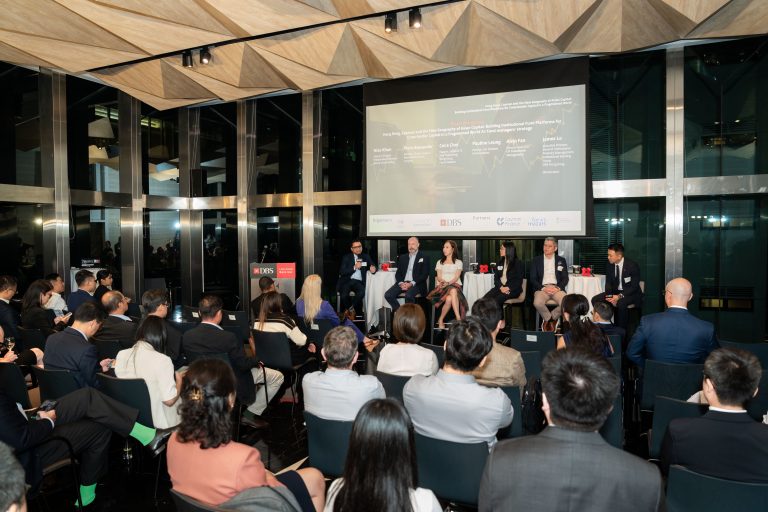
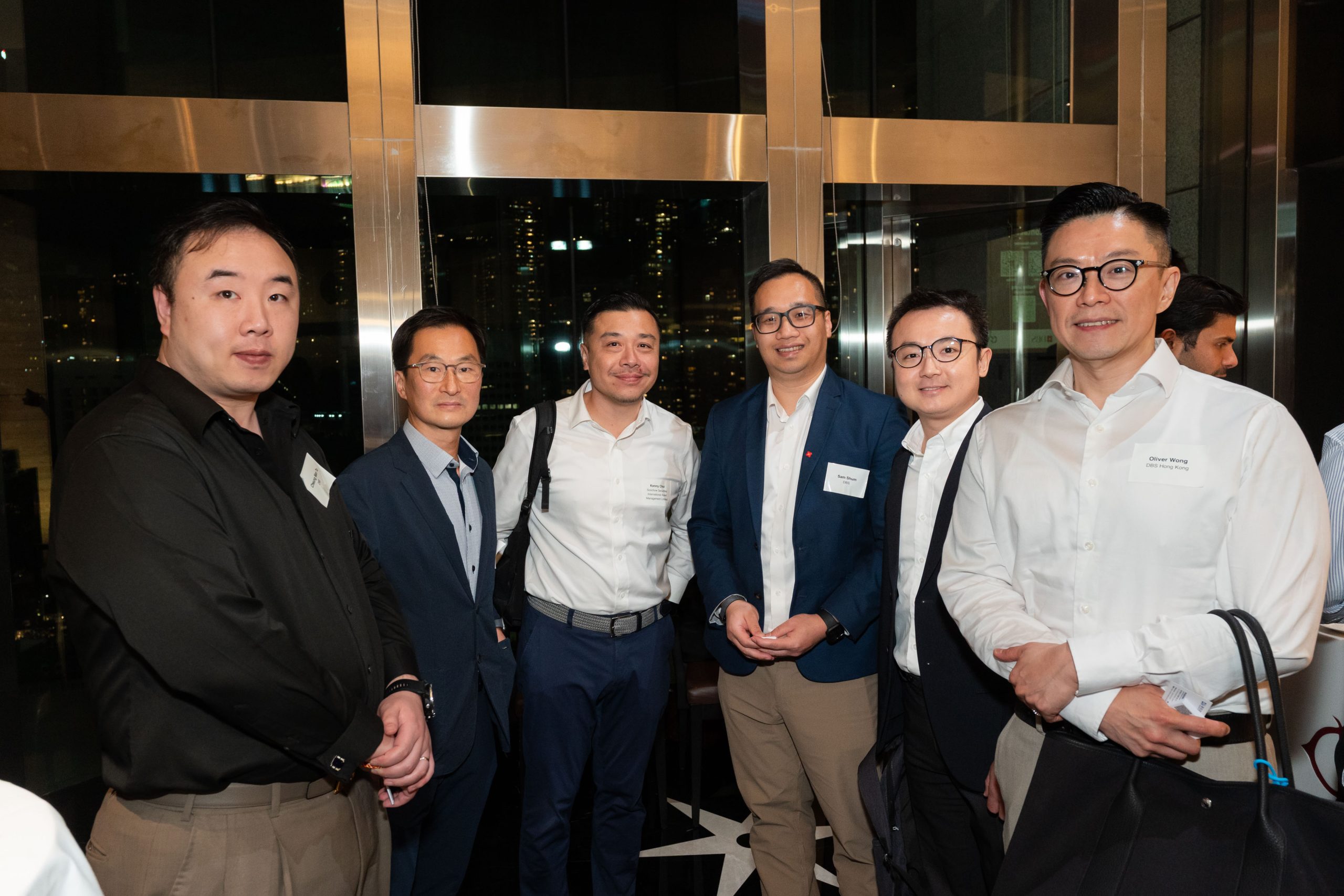
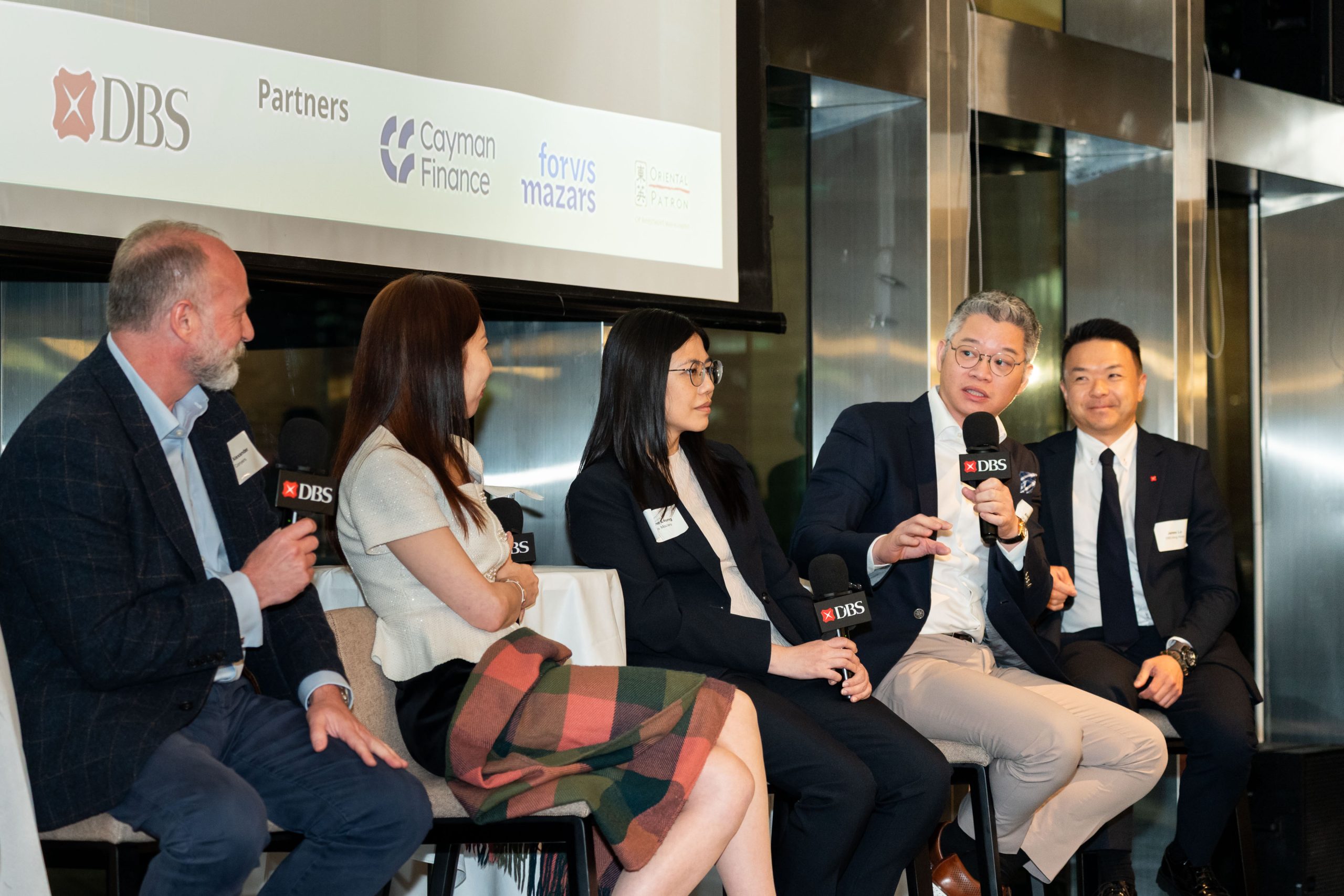
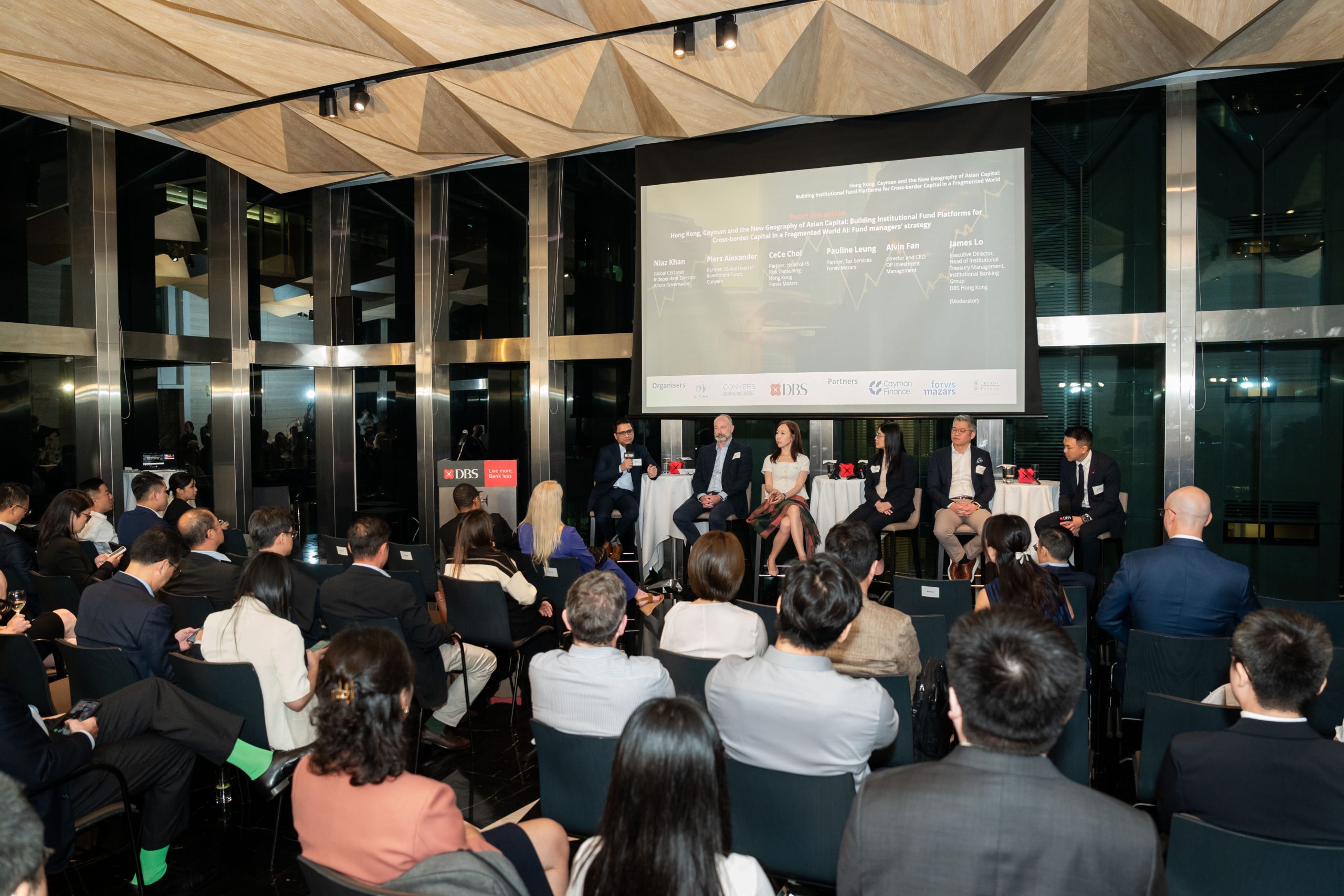
DBS Hong Kong, Altura Governance and Conyers hosted the event titled 'Hong Kong, Cayman and the New Geography of Asian Capital: Building Institutional Fund Platforms for Cross-border Capital in a Fragmented World' on 28 Oct.
Governance, operational readiness and the right fund structure matter as much as performance – and Cayman remains the structure allocators expect, panellists said.
As Hong Kong’s fund management industry continues to mature, the expectations of institutional investors are evolving alongside it. Managers seeking institutional capital are increasingly expected to demonstrate not only strong performance, but also robust governance, operational infrastructure and investment processes.
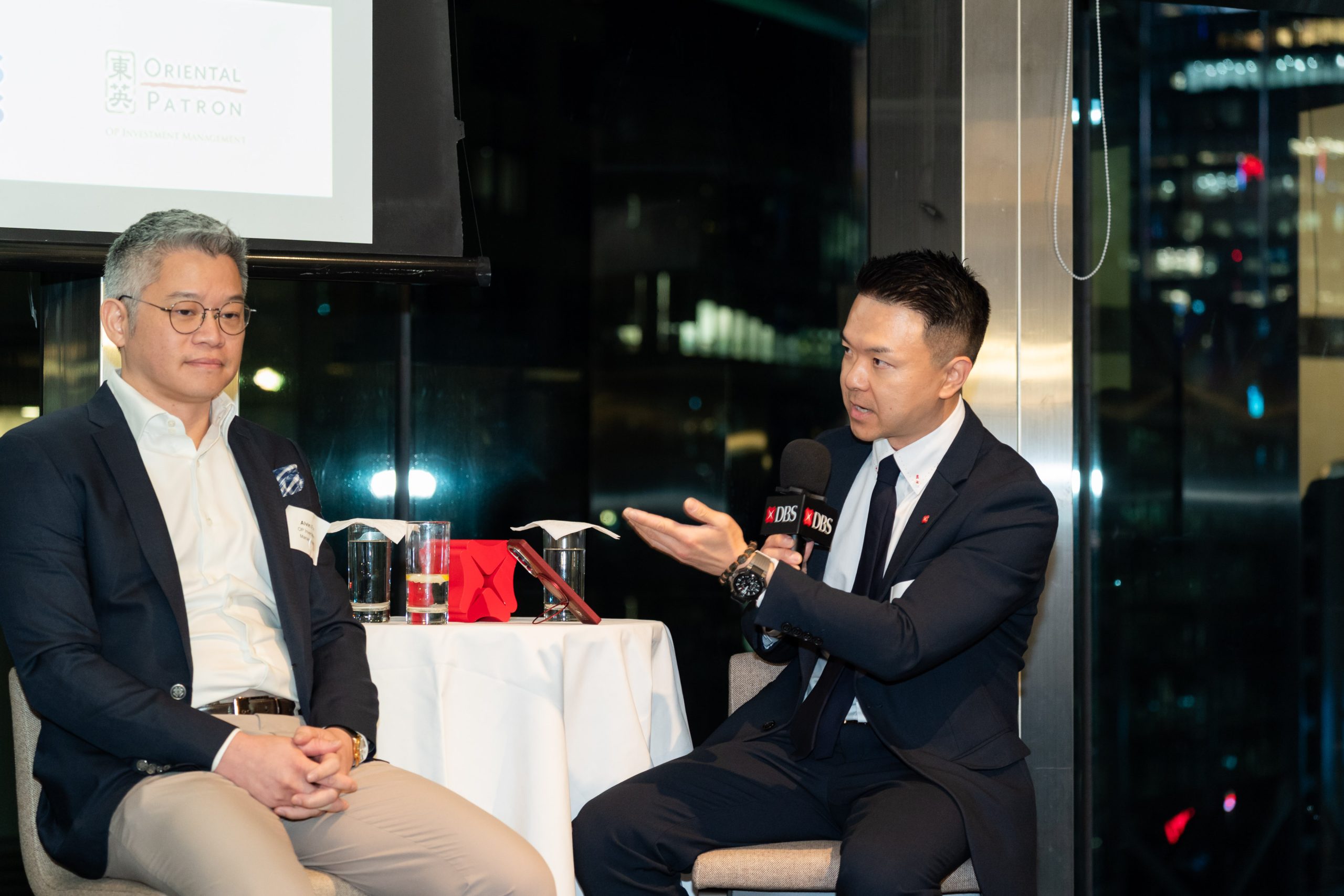
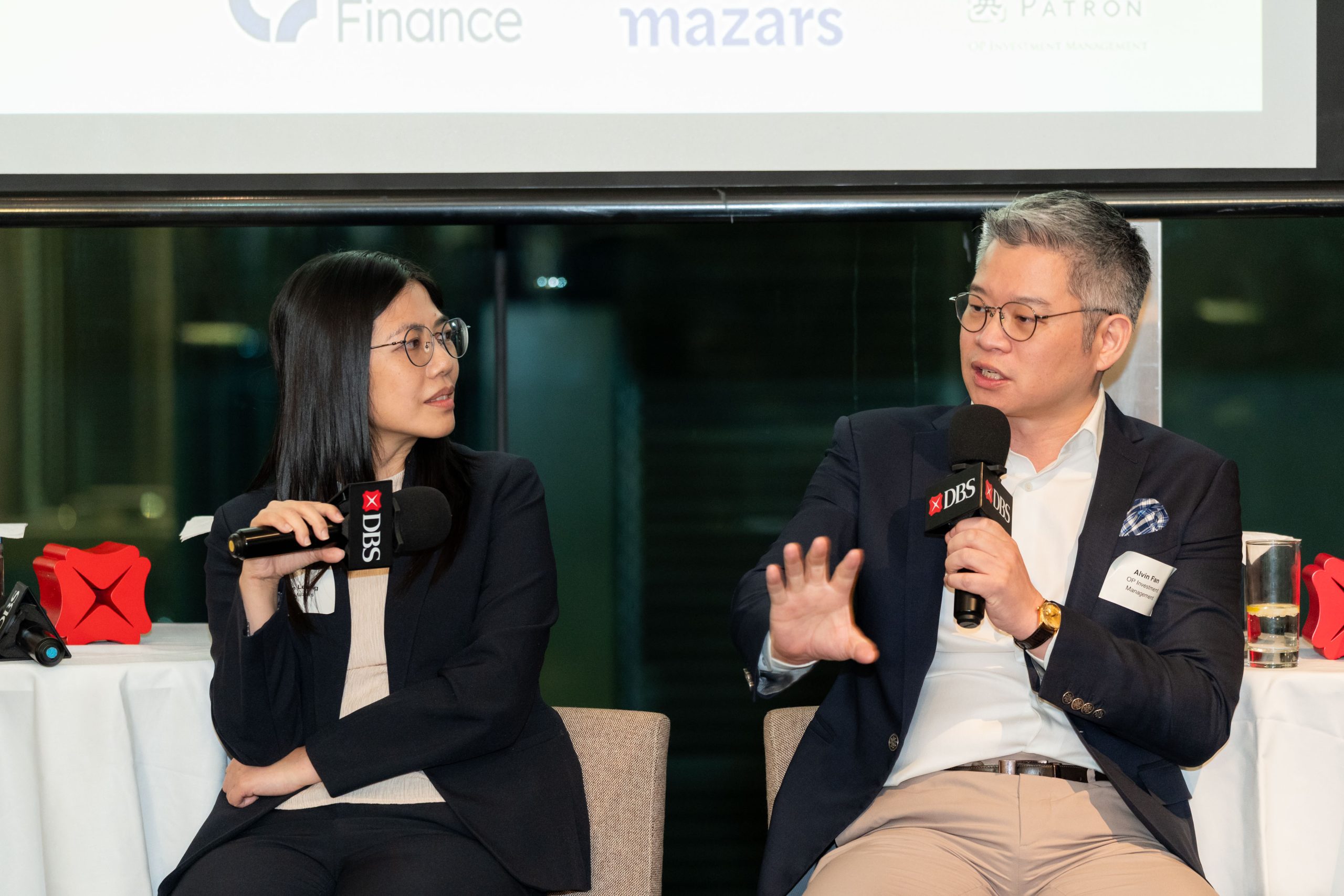
Speaking at a seminar hosted by DBS Hong Kong with Altura Governance and Conyers on 28 October, Alvin Fan, director and chief executive of OP Investment Management, said that investors still active in the region had become markedly more demanding as the quality of Asian managers improved.
“There’s no discount that they apply to us in Asia,” he said. Managers were “held to the exact same standard” than their counterparts in the US and Europe.
Fan said the increasingly sophisticated use of technology and macroeconomic analysis by Asian managers had also prompted investors to scrutinise their technology infrastructure and investment processes more closely.



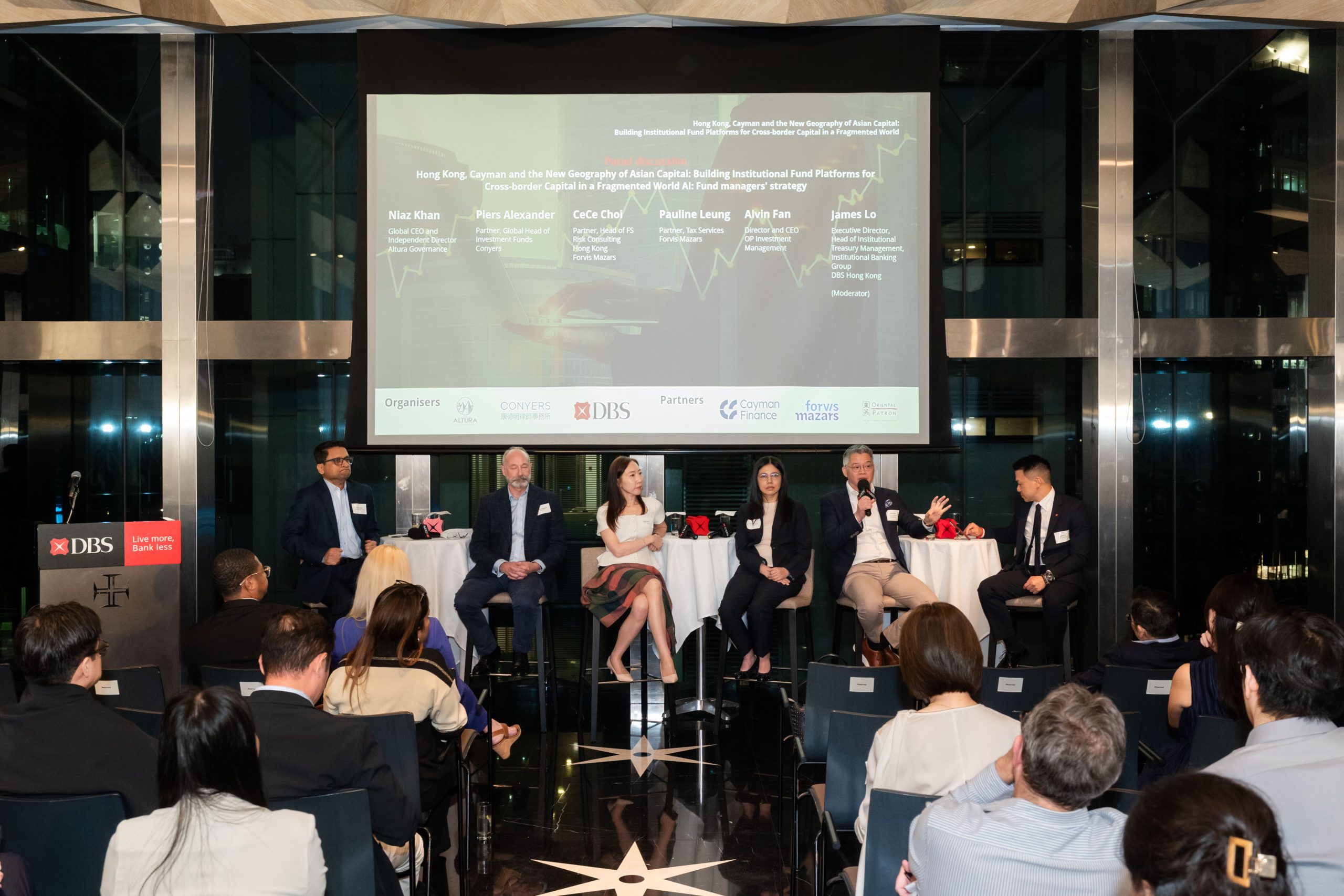
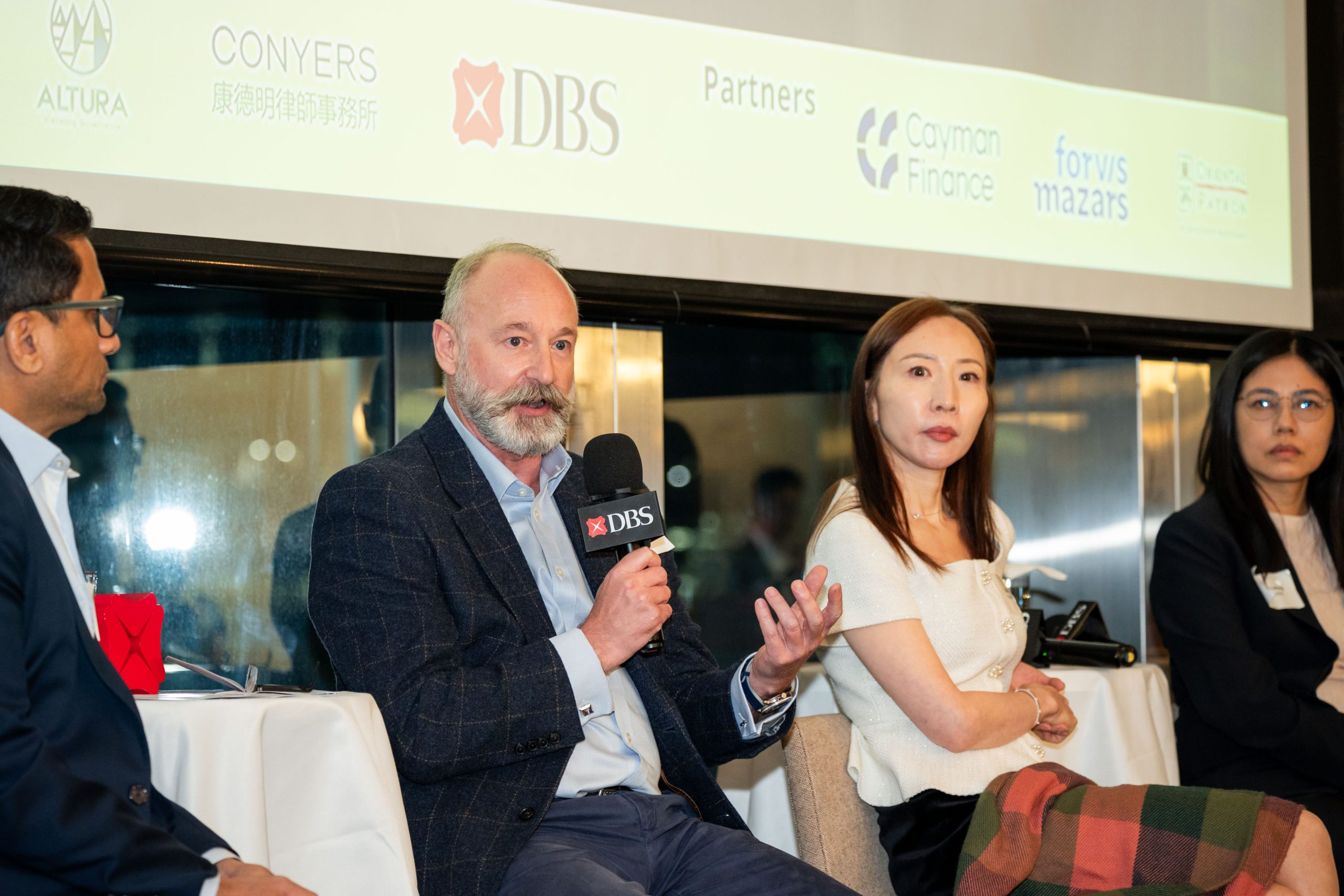


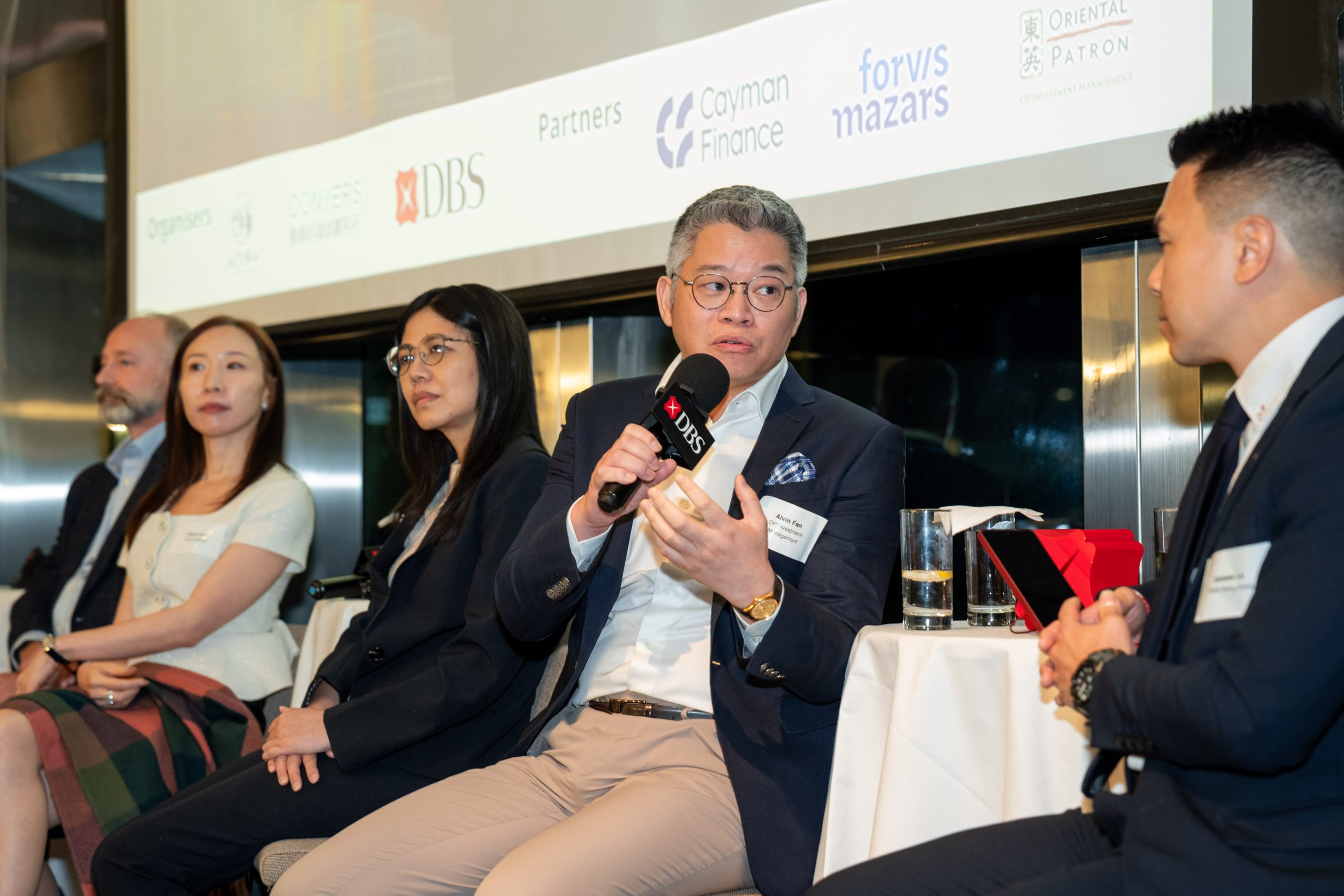
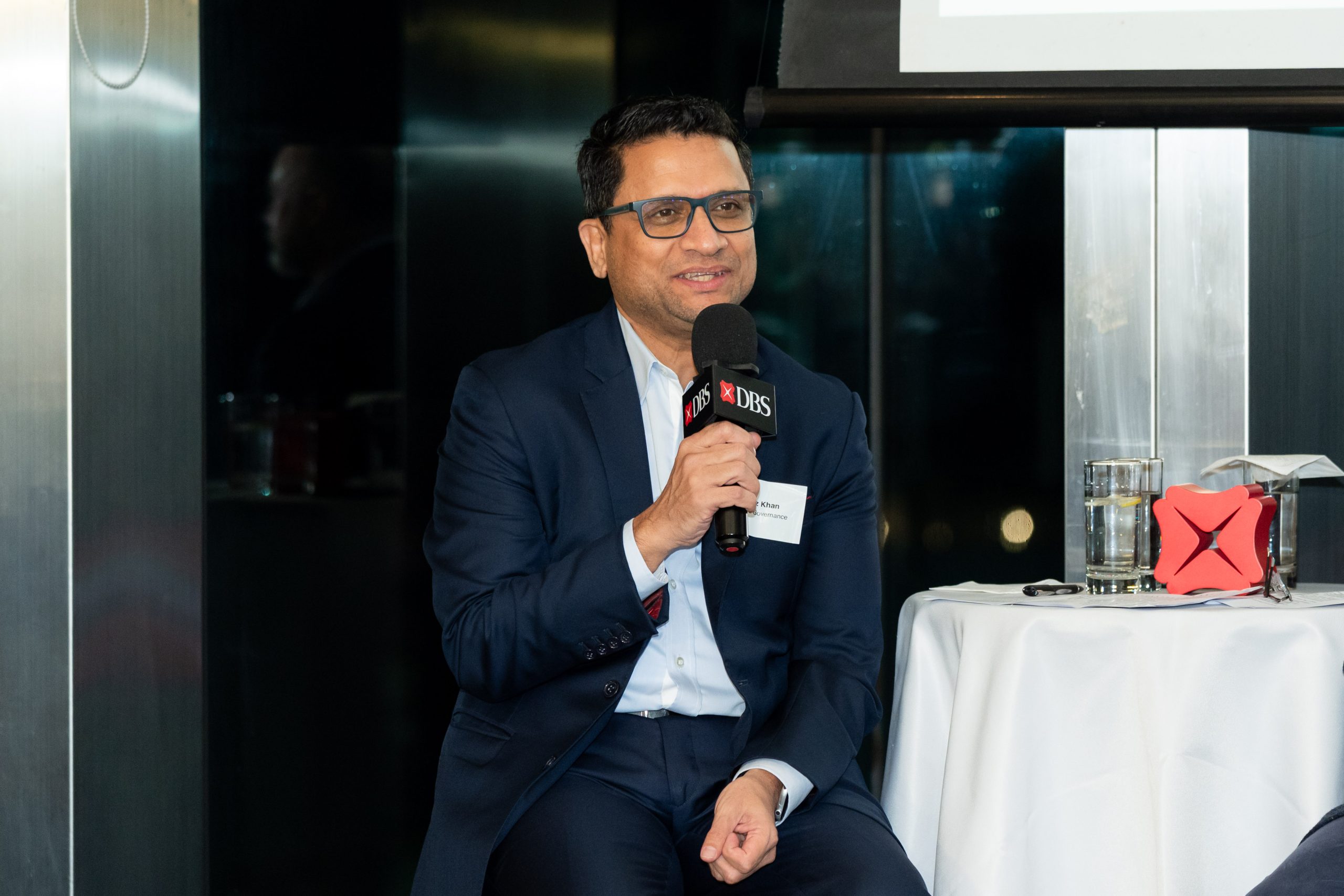






He described the current market as “the best” but also “the most competitive environment to raise capital”. Investor appetite for Asia remained polarised, he said, between allocators who had doubled down on the region over the past two years and those unlikely to deploy capital there for some time.
With many managers clustered in a return band of roughly 15 to 19 per cent, differentiation increasingly came from how clearly a manager could articulate its edge and how well it was organised.
Governance under the microscope
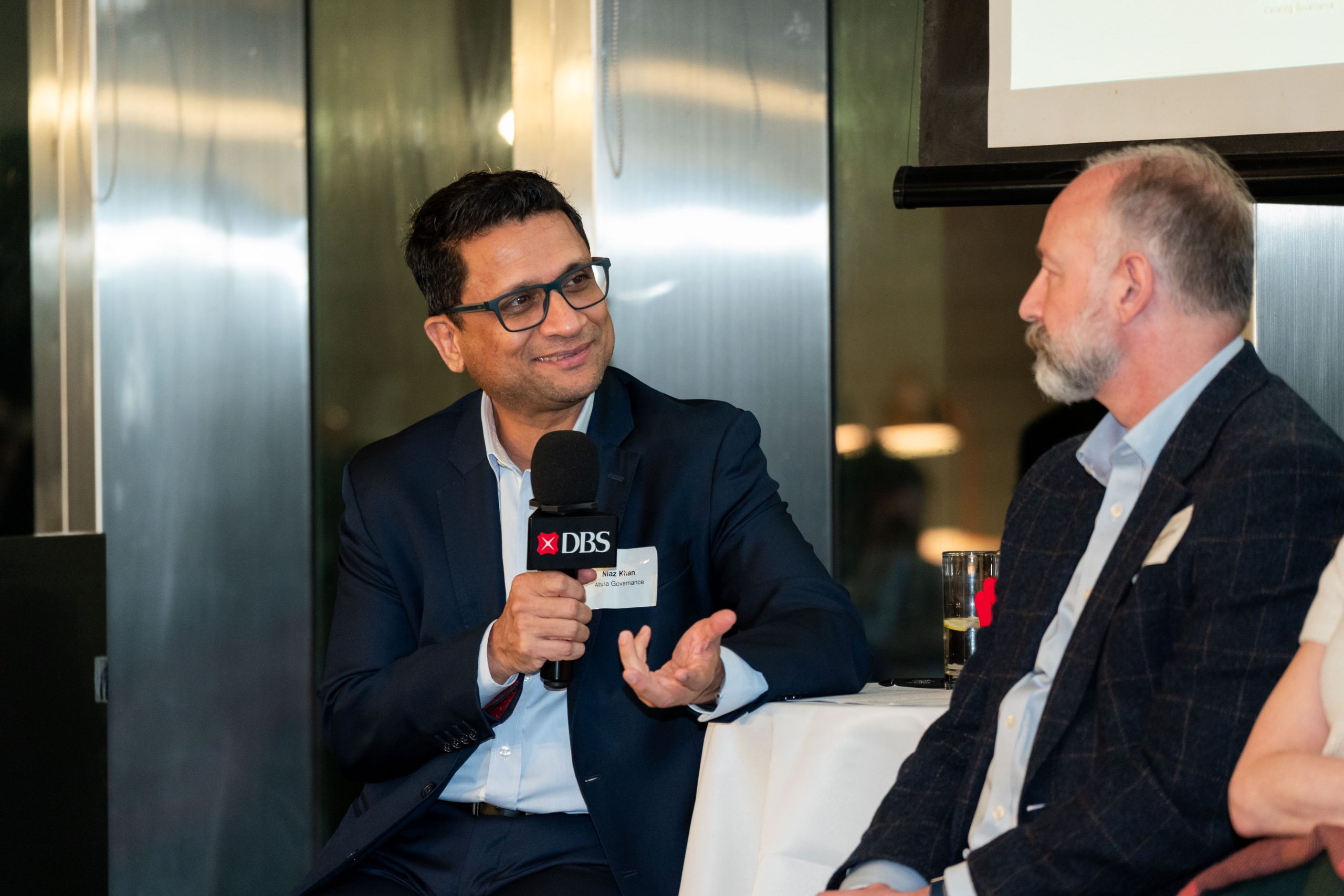
Niaz Khan, Global CEO of Altura Governance and a Professional Independent Director, said he had been through several operational due diligence (ODD) processes with large institutional investors in recent months.
Simply having an independent director on the board was not enough, he said. Allocators, including pension funds, endowments and other institutional investors, wanted directors with genuine directorship experience and a working knowledge of both the Cayman structure and the fund’s strategy, rather than someone who had moved across from another corner of financial services.
Because a typical Cayman hedge fund relies heavily on service providers, Khan said, “investors wanted to see directors who are independent, conflict-free and engaged with the manager and service providers.” Board stability was also an important consideration.
Piers Alexander, partner and global head of investment funds at Conyers, said this was a regulatory expectation rather than simply a sales pitch.
Under the Cayman Islands Monetary Authority’s corporate governance rule, fund boards must demonstrate independent decision-making, including when overseeing investment managers. A board composed entirely of manager-nominated directors could face “an immediate conflict of interest” when assessing the manager’s performance, he said. Appointing an independent director helped address that concern.
Why Cayman
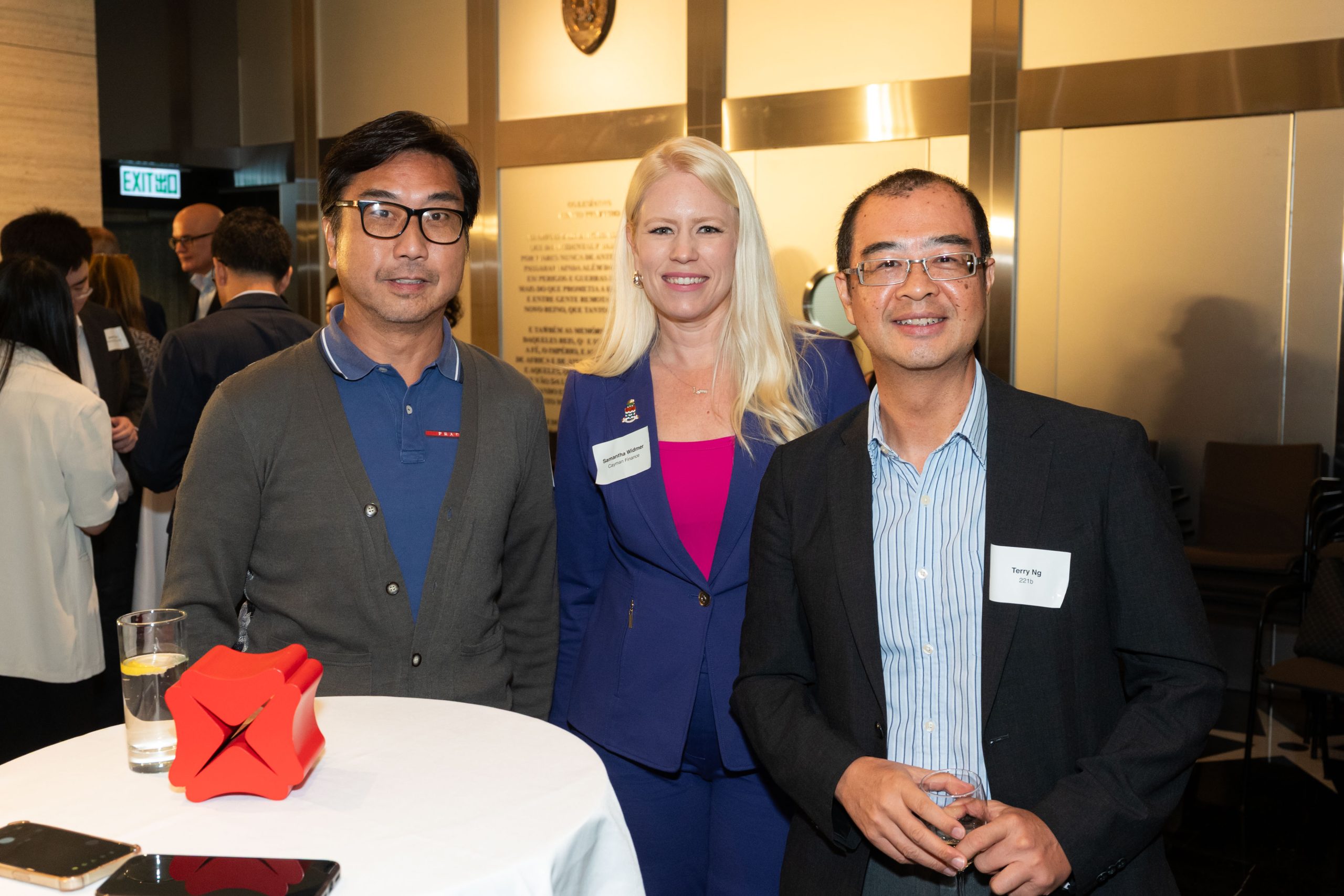
Earlier, Samantha Widmer, director and head of funds and capital markets at Cayman Finance, set out the jurisdiction’s position as the leading domicile for investment funds.
Drawing on figures presented by Widmer, Alexander noted that Cayman was home to more than 31,000 funds, compared with around 791 open-ended funds and 2,098 limited partnership funds in Hong Kong, 1,385 Singapore variable capital companies, about 2,400 funds in the British Virgin Islands and 762 registered funds in Bermuda.
The reason for Cayman’s dominance, he said, was straightforward: “That’s what your institutional investors want.”
Their onboarding and compliance committees were already familiar with Cayman vehicles, and introducing another jurisdiction “could create friction” in the application and even stop the allocation altogether. “The expectation is you will be going to Cayman.”
He also pointed to the flexibility of the regime, which accommodates standalone, master-feeder and segregated portfolio structures, the absence of tax at fund level, and a regulatory framework that does not generally require pre-approval of investment strategies.
But he acknowledged that “Cayman isn’t going to be all things to all men”, noting that a manager raising money in a single jurisdiction, particularly with government backing, might prefer a local vehicle.
Investor requirements, Alexander said, would largely dictate structure. Open-ended Asian funds typically use a Cayman exempted company or segregated portfolio company, while closed-ended funds generally use an exempted limited partnership.
Japan-facing offerings, whether open-ended or closed-ended, tend to use the Cayman unit trust because its separation of trustee and manager mirrors the domestic investment trusts familiar to Japanese pension funds and life insurers.
The costliest decision to reverse, he said, was a structure so unusual that bringing it up to institutional standards required a wholesale amendment needing existing investors’ consent. “Don’t move away from the norm too much,” he advised.
Khan made a similar point, urging start-up managers to build with being a “future institutional manager” in mind rather than “an emerging manager forever”.
A fund expecting US investors should consider beginning with a master-feeder structure to avoid facing a complete restructuring later. “I’ve seen it multiple times,” he said.
Teaser tickets
Fan, whose firm runs a regulatory platform for start-up managers, said teams spinning out of large firms were often adept at assessing companies but had never run a business themselves.
He cited the team behind Chinese AI developer DeepSeek, which emerged from quantitative hedge fund High-Flyer, as an example.
According to Fan, the team had used OP’s regulatory platform between 2017 and 2019 to learn how to establish fund structures, implement governance arrangements and market itself to institutional investors.
For managers chasing a first allocation, Fan said performance was “a minimum requirement”. Beyond that, managers should agree milestones with the allocator, make themselves personally available, not delegate fundraising to junior staff, and have due diligence materials ready from the first meetings.
“You should not take three weeks to build your [ODD] questionnaire pack,” he said. “It should be ready to go.”
That could secure what he called a “teaser ticket” of $1 million to $2 million, typically given on the basis that $30 million to $50 million might follow after six months of good performance.
“Don’t be snobby about the small tickets,” he said.
Around half of the funds and portfolios OP launched this year were separately managed accounts, which he described as a stepping stone towards larger subscriptions.
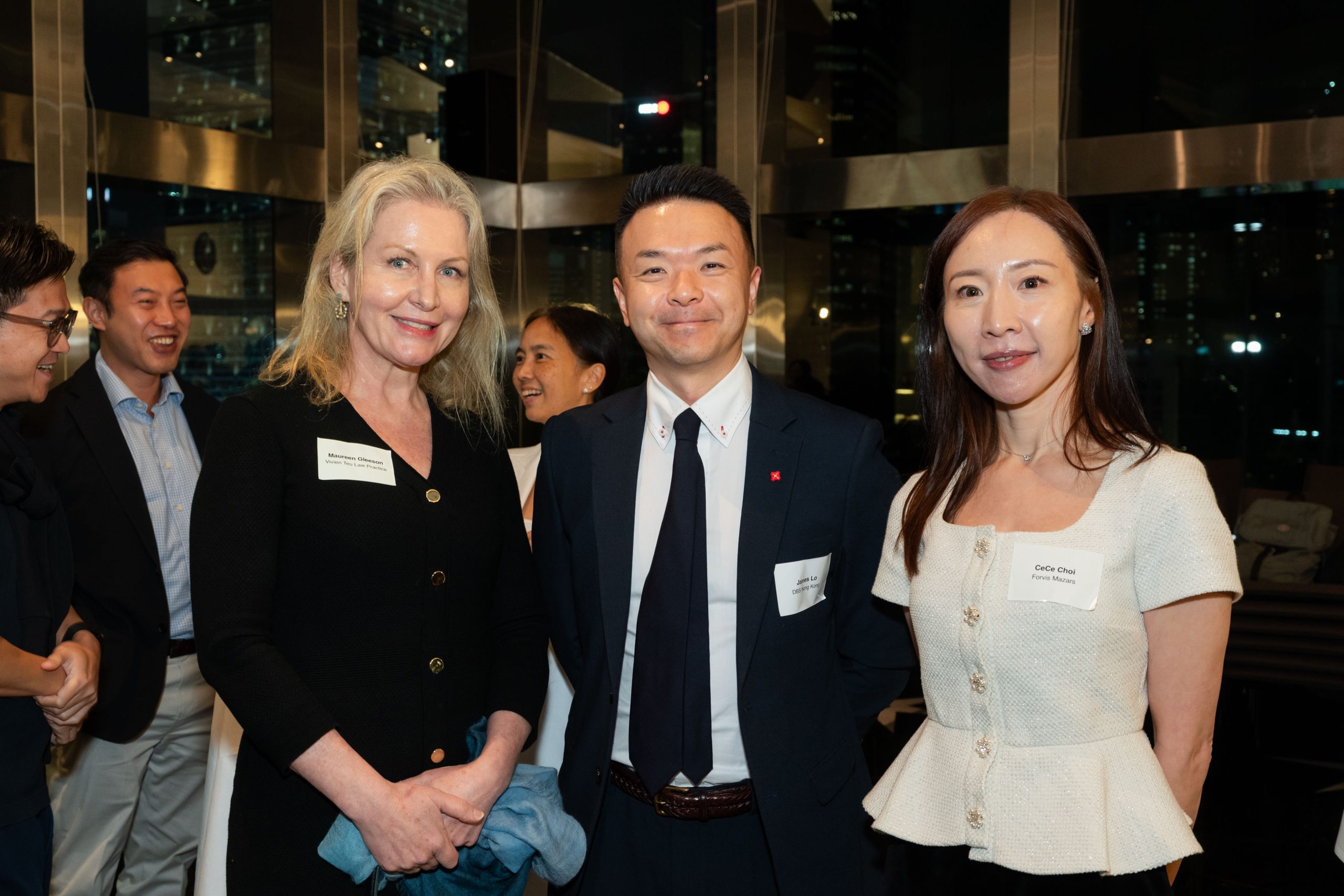
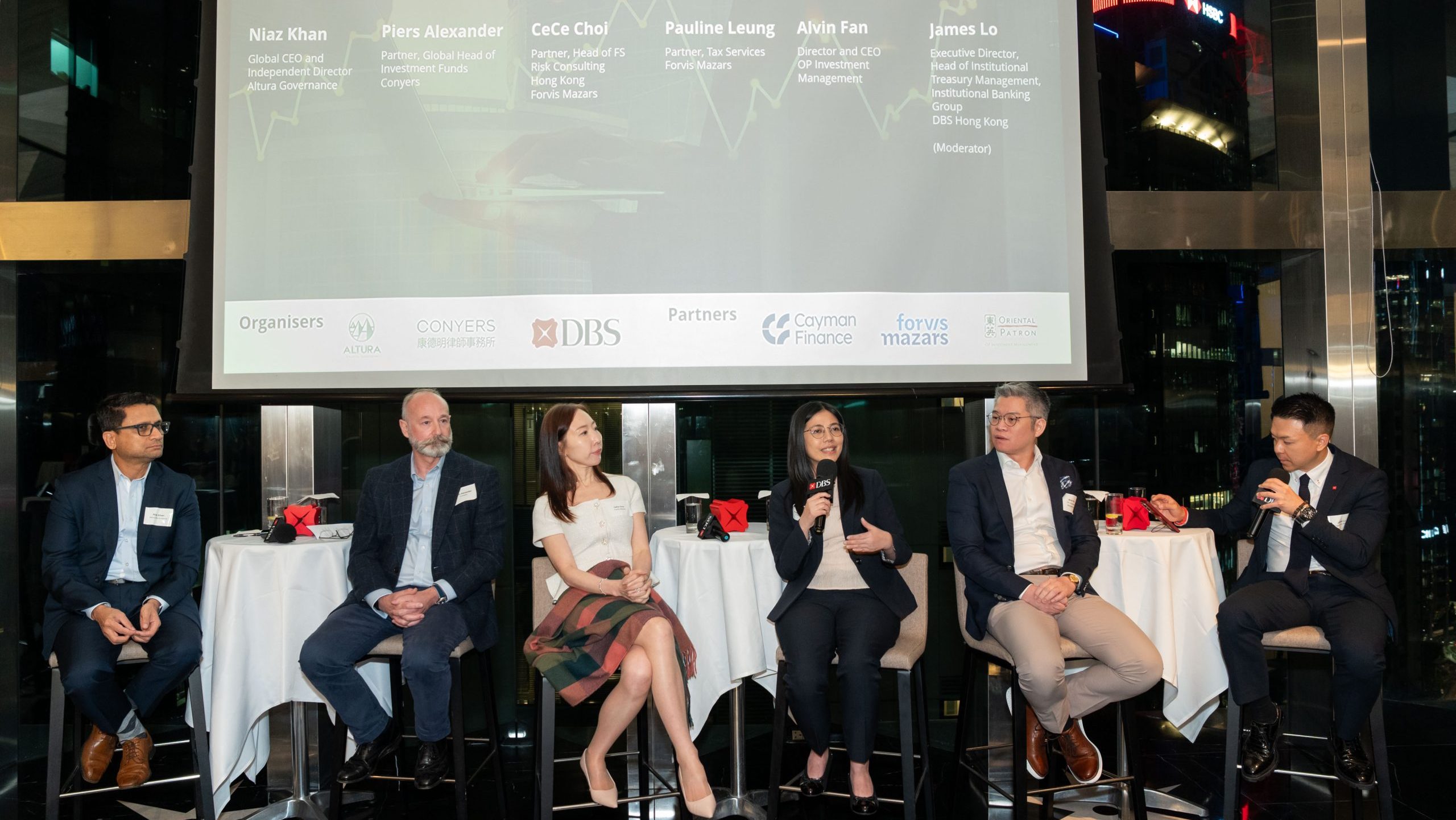
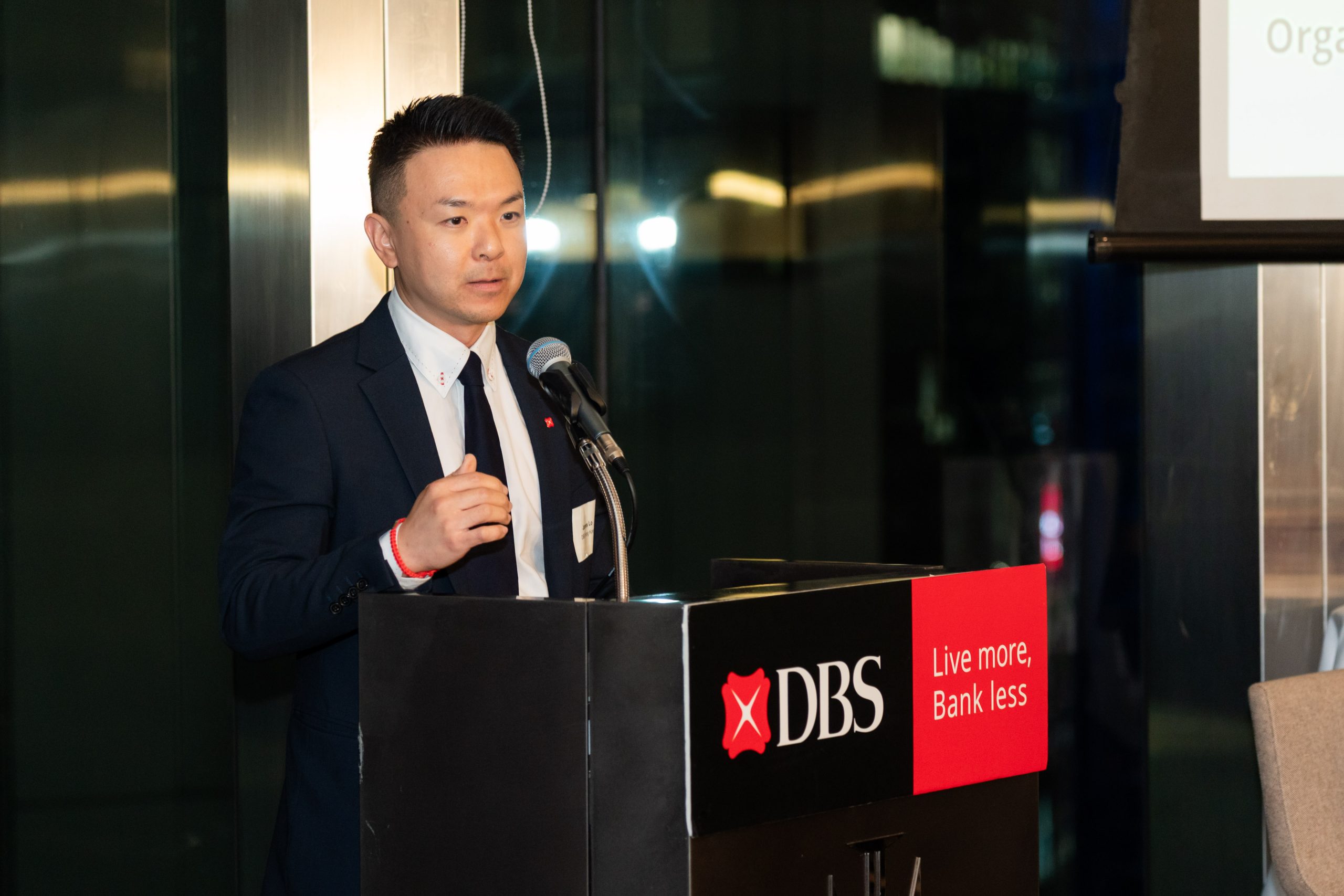
James Lo, head of institutional treasury management at DBS Hong Kong, who moderated the panel, highlighted the importance of selecting the right service providers from the outset and building institutional readiness early.
Taking a credible, well-structured approach helps earn institutional investors’ confidence and ultimately, secure meaningful allocations on an ongoing basis, he added.
Hong Kong carry
Pauline Leung, tax partner at Forvis Mazars, said Hong Kong’s proposed enhancement to its carried interest tax concession remained subject to approval by the Legislative Council.
Subject to legislative approval, the changes would take effect retrospectively from 1 April 2026, extending the existing concession beyond private equity to other fund types, including hedge funds and credit funds.
To qualify, she said, carried interest must be a profit-related return; fixed bonuses and fixed returns would not count.
In a quickfire exchange with Fan, she confirmed that a licensed advisory firm could potentially qualify where it provided investment management services to the fund.
Certain risk, operations and compliance personnel could also qualify, subject to the nature of their duties and the applicable requirements. Employment contracts would need to document those duties and the basis for calculating qualifying remuneration.
“That’s a big deal,” said Fan.
The 90-day test
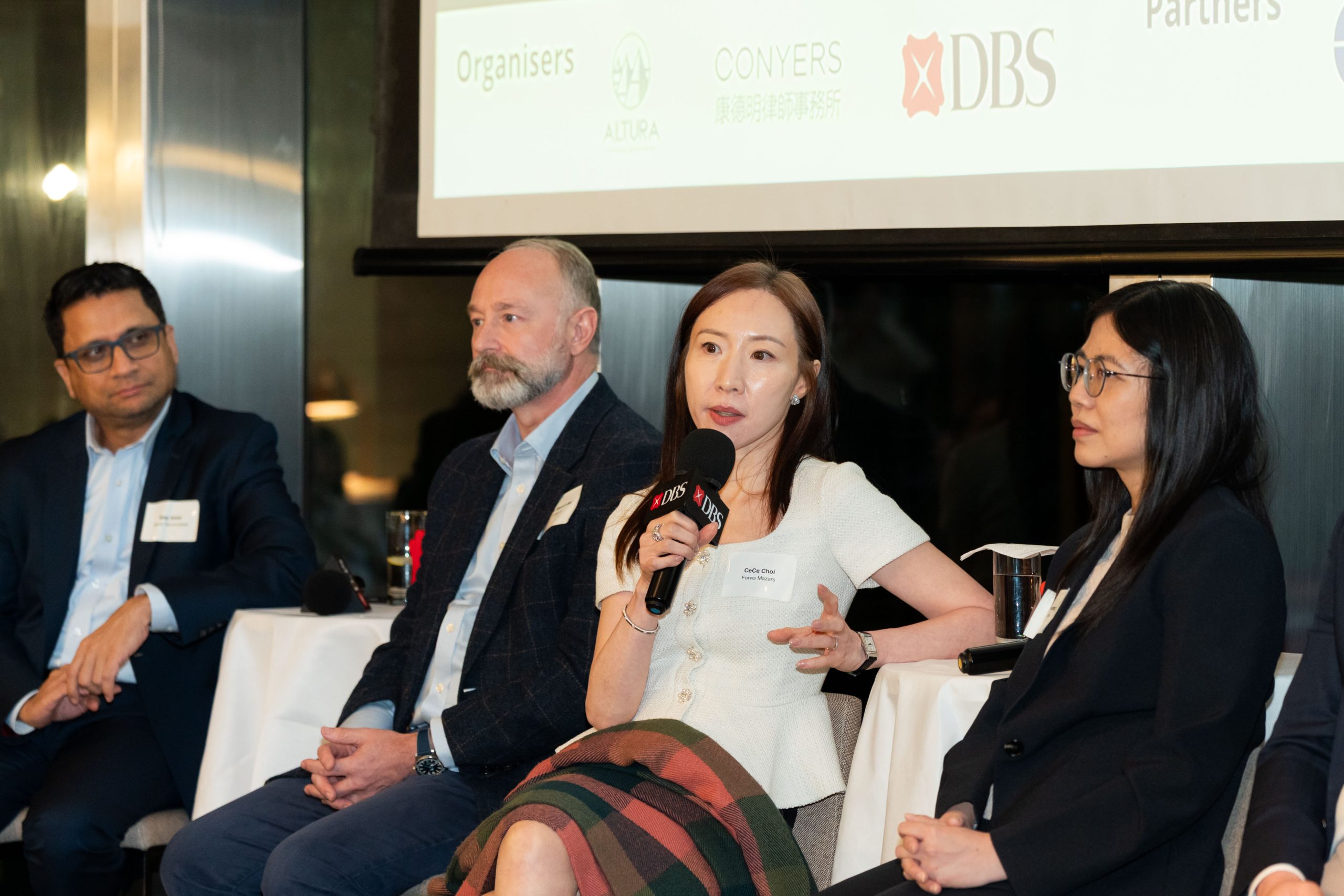
CeCe Choi, head of financial services risk consulting at Forvis Mazars in Hong Kong, said allocators focused on three areas in operational due diligence (ODD): regulatory compliance, cybersecurity and IT controls, and third-party risk.
Regulators, she said, “allow you to outsource the process, but they do not allow you to outsource the responsibility or the accountability”.
Managers should obtain and actually review service providers’ independent control reports. “Just don’t take the [SOC] report and put it in the drawer.”
Asked by Lo how a Hong Kong long/short equity manager should respond if an institutional investor wanted ODD completed within 90 days, Fan said: “If you’re not ready, you’re kind of cooked.”
Investors would test not just whether policies existed but how they were applied, and too many managers handed over a compliance manual only to “scramble to find an example” when tested.
Managers also needed to be able to demonstrate to allocators how they controlled material non-public information.
Alexander warned that basic lapses, such as missed filings, late financial statements, unpaid fees or administrative fines, were “immediate red flags”.
“Compliance for institutional investors is not optional,” he said.
Fan and Khan recommended that managers begin with a mock due diligence review to identify weaknesses before an institutional investor did.
Khan said he would fix whatever could be fixed within 90 days and set out a target operating model for the rest.
“If we don’t meet that on day one, that’s okay,” he said. “But as long as we show them that they’re going to make the progress, that’s the key.”
Alexander agreed. It was better, he said, to identify a breach and have a roadmap to fix it “rather than getting the allocator to find that unexplained breach and having to deal with it”.

Michael Klein is Head of Communications and PR at Cayman Finance.
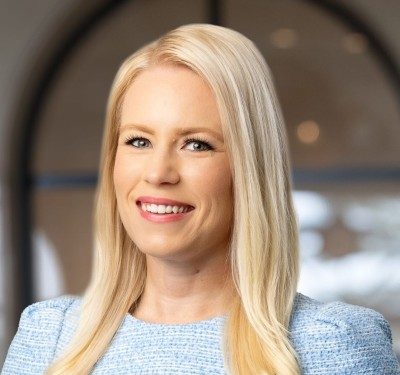
Samantha Widmer is a Director and Head of Funds & Capital Markets at Cayman Finance.