Caymanian Career Success Stories is a series of profile interviews with financial services professionals, highlighting Caymanian talent and the diverse career opportunities available across the industry. The series features professionals at different stages of their careers, from early-career professionals and the next generation of future leaders to experienced senior leaders across a range of sectors.
Each interviewee shares real and relatable experiences, offering our Caymanian community practical insights into how to enter the financial services industry, develop their careers and progress towards leadership roles. The series begins by exploring careers in the trusts and private client sector, followed by profiles from the reinsurance and captive insurance sectors.
The series was developed by Brittany MacVicar, Associate Director for Insurance, Reinsurance and Trusts Sectors at Cayman Finance. MacVicar explains the idea behind the interviews: “As a proud Caymanian who has worked in financial services for over a decade, I know the talent is here. One of the best ways we can encourage more Caymanians to see themselves in this industry is by highlighting people they know and can relate to who are already building successful careers within it.”
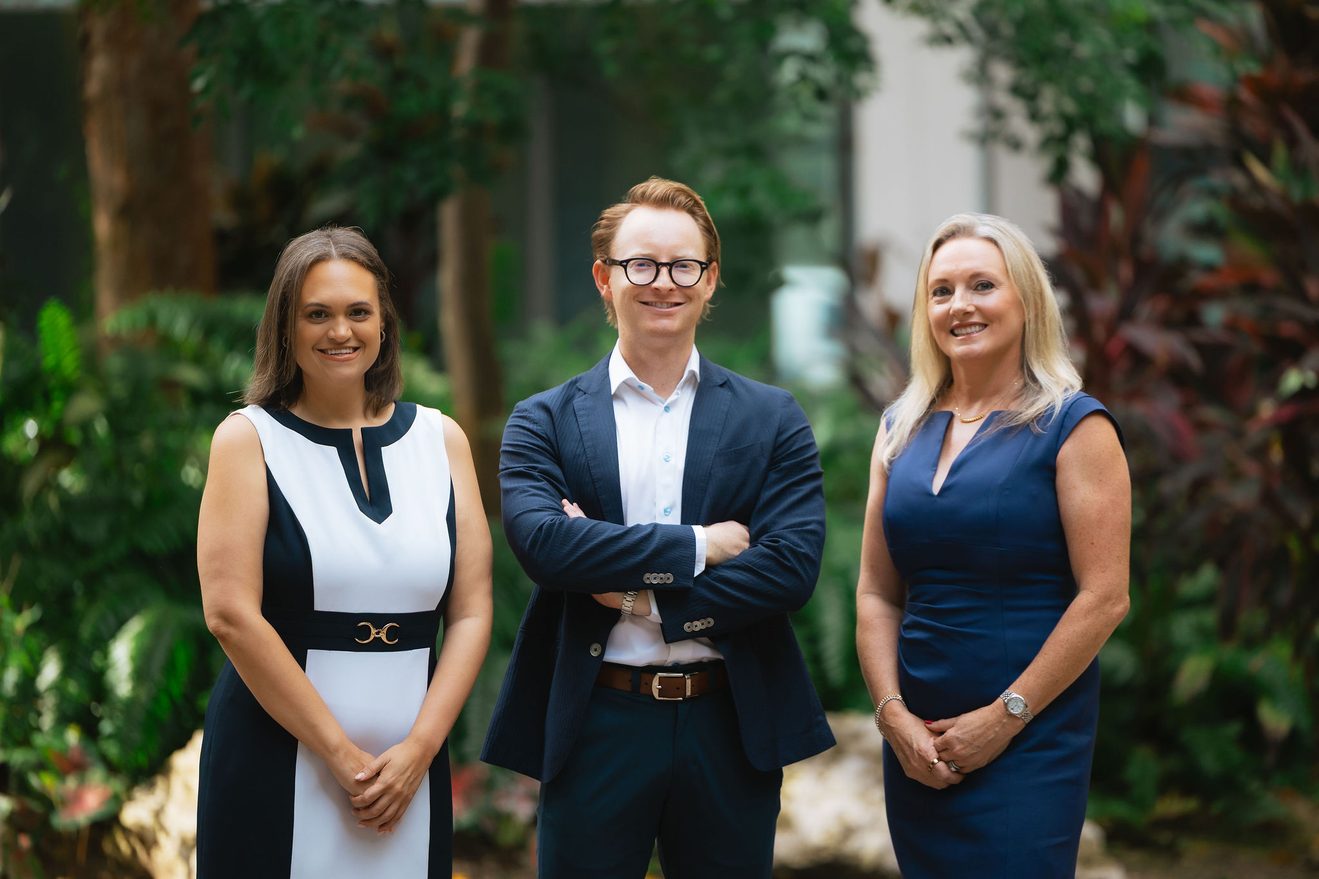
Emma Santiago, Bridgestream
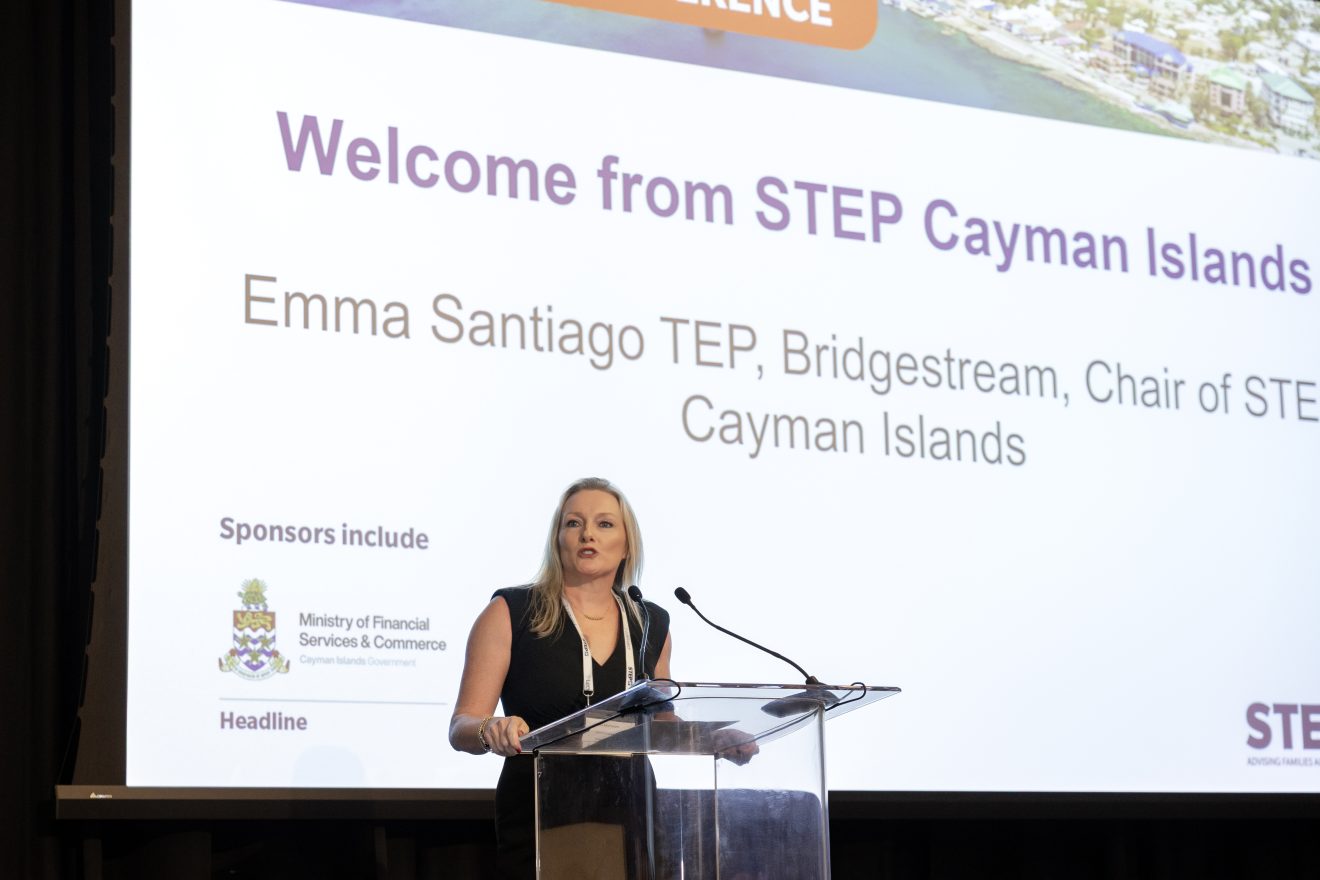
Emma Santiago is a Director at Bridgestream and Chair of STEP Cayman Islands. Cayman has been her home since 1987. Emma attended West End Primary School on Cayman Brac for a year, followed by three years of Cayman Islands Middle School in Grand Cayman, and then graduated from John Gray High School in 1994. After graduation, Emma left for Belfast to complete her A levels and pursue her law and accounting degree, and after finishing, returned straight back to Cayman.
First and current role
Q: To start, what was your first role in the industry?
A: I took a year out from university and had the opportunity to join Deloitte’s Trust and Corporate Department as an assistant administrator. It was my first real taste of the trust industry. I assisted administrators, managers, senior managers and partners.
Q: What inspired you to take that first job and enter the industry?
A: It was not part of a grand plan, I landed in the industry on my year out. When I was in high school people generally spoke about two main routes for jobs in Cayman: tourism or finance. If you said you were going into finance, people tended to think automatically of accounting or auditing. No one really explained that finance in Cayman has so many different career options, including options in the trust industry.
Had I not had the opportunity to work in Deloitte’s trust department, I would not have had exposure to the trust industry and understood what the day-to-day administration entailed or what the role of a trustee entailed.
Q: For any readers who are not familiar, how would you describe a trust?
A: In simple terms, a trust is legal arrangement whereby assets are transferred to trustees, who hold, administer and manage those assets for the benefit of beneficiaries in accordance with the terms set out in the trust deed. It is a way to safeguard assets and plan for the future.
Q: Tell us about your current role.
A: I am a Director at Bridgestream and I head up the private client team. We work with ultra-high-net-worth individuals, families and family offices, administering the different structures that have been created for them. We work closely with local private client lawyers and international lawyers to help set up the right structure for each client, and then we continue working with those advisers throughout the life of the trust.
I am the Chair of STEP Cayman Islands, the Society of Trust and Estate Practitioners. We have a council of 20 members, all of whom contribute to promoting STEP and supporting the trust industry in the Cayman Islands.
Q: What do you enjoy most about working in the trust sector?
A: I would say it is all the different people I get to meet and interact with. We have the chance to work with so many interesting people and families. No family is the same and every structure you work on will be different.
Q: What is your typical day like?
A: For a working mother, a typical day starts with a big cup of coffee – that is the one thing that is the same every day! In the private client world our days are always different depending on what the client needs. We are often driven by our inbox on any given day. At the same time you have to balance upcoming client meetings, regulatory deadlines, proposals and deliverables. It is a juggling act. The priorities vary depending on what is most urgent, and it is about finding the right balance.
Career progression
Q: Did anyone help guide you or open doors during your career?
A: I was very fortunate because when I returned to Deloitte after obtaining my law and accounting degree I was pointed in the right direction by one of my mentors. Within about a month of starting as a trust administrator, one of the partners called me in and encouraged me to pursue an accounting qualification and I started my ACCA exams.
When I completed my ACCAs, I went back to his office and he congratulated me, then told me it was time to do STEP. I went on to complete my STEP diploma.
By then I had started my family and had my first daughter, so I remember thinking I would not go back into his office because I did not know what exams he might ask me to do next! I was very lucky to have someone who supported me and provided me with the tools I needed to progress. To this day, I am grateful that the firm sponsored me and that someone took the time to point me in the right direction.
Q: Was there a pivotal risk or opportunity that changed your career trajectory?
A: The biggest risk I took was moving jobs after being with one firm for 17 years. When you have been somewhere that long, you know the clients, the staff and the systems. It is very easy to become complacent when you are so comfortable – making that change can be scary.
I was ready for a change, and the opportunity came up to move to Bridgestream. It gave me the chance to take on more responsibility. I was ready for this new challenge and all it had to offer.
Q: What technical qualifications or soft skills helped you advance into leadership?
A: The STEP qualification is directly relevant to what we do every day, and it helps everything make sense in practice. The accountancy qualification also comes with major advantages. Both these qualifications assisted me on my career path.
Soft skills are just as important. A lot of people climb the corporate ladder because they are good at their jobs, but being technically strong does not automatically make someone a good leader.
From my experience, empathy is one of the most important qualities. You do not always know what an employee is going through. They may have a young baby at home and have had very little sleep, or they may be dealing with a loved one who is seriously ill.
Communication is key. If you need something by a certain date, communicate that. If someone has done a good job, tell them. If they have not met expectations, tell them. Without communication, people cannot know whether they are doing well or where they need to improve.
I also think leaders should be grateful. If people help you, thank them for their efforts and do not take anyone for granted. Finally, leaders need to lead by example. If you want your team to be on time, prepared and professional, you need to show them what that looks like. For me, the key soft skills are communication, empathy, gratitude and leading by example.
Q: How has your approach to leading and motivating teams changed since you started?
A: When I think back to my first managerial role, I now realise that each employee has different things that motivate them. Some people need regular encouragement and reassurance. Others need clear deadlines and expectations. Some are highly self-motivated and will keep working without much prompting.
The important thing is to understand what motivates each person and what support they need. That support might come from you, or it might come from someone else in the firm. It is not always easy to identify what each person needs, but recognising that everyone is different is essential.
Q: What excites you most about the future of the industry in the Cayman Islands?
A: I believe Cayman will continue to be a leading offshore financial centre. The island is thriving, we have a strong reputation in this space, a deep pool of talented professionals, a robust legal framework and political stability.
What excites me is when intermediaries or families come to the island and are impressed by the infrastructure and what Cayman has to offer. They come to a safe place and work with talented professionals. For me, Cayman being a jurisdiction of choice is exciting – and long may it last.




Advice for young Caymanians
Q: Why should young Caymanians consider a career in trusts?
A: If you are interested in finance, I would strongly encourage young Caymanians to consider the trust industry. There are so many jobs in this space.
You may want to be a lawyer helping families with structuring, drafting the documents, setting up vehicles and working out what will work best for their needs. You may want to be an accountant who prepares accounts for trusts and companies. Or you may want to be a trustee, working with families and intermediaries and developing long-term relationships with the families.
The trust industry is attractive because there really is something for everyone; you are not limited to one particular role.
Q: What steps should young Caymanians take to enter the industry?
A: Speak to as many people as you can that are already in industry and ask how they started their careers, why they chose their roles and what qualifications they needed. That will help you understand whether the industry is the right fit for you.
Also find out about scholarships. Cayman has many scholarships for young Caymanians in financial services. Speak to Cayman Finance and learn about the programmes available, including LEAD and graduate opportunities. Cayman Finance is now a great way to get more information about the trust industry and the wider financial services sector.
Q: What advice would you give to young people who have just started in the industry?
A: I would encourage every young Caymanian who has started in the trust industry to pursue the TEP designation. Whether you have just graduated from high school or university, the TEP is extremely relevant to what you are doing every day. It is an internationally recognised qualification and manageable alongside a full-time job.
I would also tell young people to attend every networking event they can. It can be intimidating to attend an event where you do not know anyone, but if you do not start, you will not grow your network. Say yes to lunches, Cayman Finance events, STEP lectures and STEP NextGen events. That is how you meet people, learn and build your network.
Q: How should young professionals build resilience and confidence?
A: Confidence takes time to build. When you are starting out, you may walk into a room and feel that everyone is older and more experienced than you. They may be five, 10 or more years ahead, and it can seem as though they know so much.
But every person in that room started where you are. Do not underestimate what you can bring to the table. Learn from the people around you. If there is someone you admire, speak to them. Ask what you need to do to progress. Ask why things are done in a certain way. Ask questions about anything you do not understand, and do not pretend to know something you do not.
No one expects someone at the start of their career to know all the answers. Absorb what you can from the people around you, and remember that confidence will come with time.
Q: Where do you see the biggest opportunities for Caymanians in the sector over the next five to 10 years?
A: I have seen a lot of growth within trust companies in Cayman, and I also think law firms in the private client space are growing. There is unlimited potential for young Caymanians who want to explore this sector.
There will always be families who want to set up structures to protect their assets and plan for future generations. The trust industry has a long and fruitful future ahead. My advice is to explore as many options as possible and speak to people in the industry to see which roles might be the right fit for you and what you envision for your future.
Outside of work
Q: What do you enjoy doing outside work?
A: I am the mother of two teenagers, so like many working parents I spend a lot of Saturdays driving my children from sport to sport – whether that is swimming, golf, gymnastics or football. When I am not driving them around, I enjoy spending time with my family and catching up with friends. People who know me know I am a social butterfly. I also enjoy exercising, going to the beach when I get the chance, and a little Netflix when I have time.
Q: Do you have a favourite restaurant or place in Cayman?
A: I would get into trouble if I named one favourite restaurant, because we have so many good restaurants to choose from! My favourite place would be our beautiful Seven Mile beach.