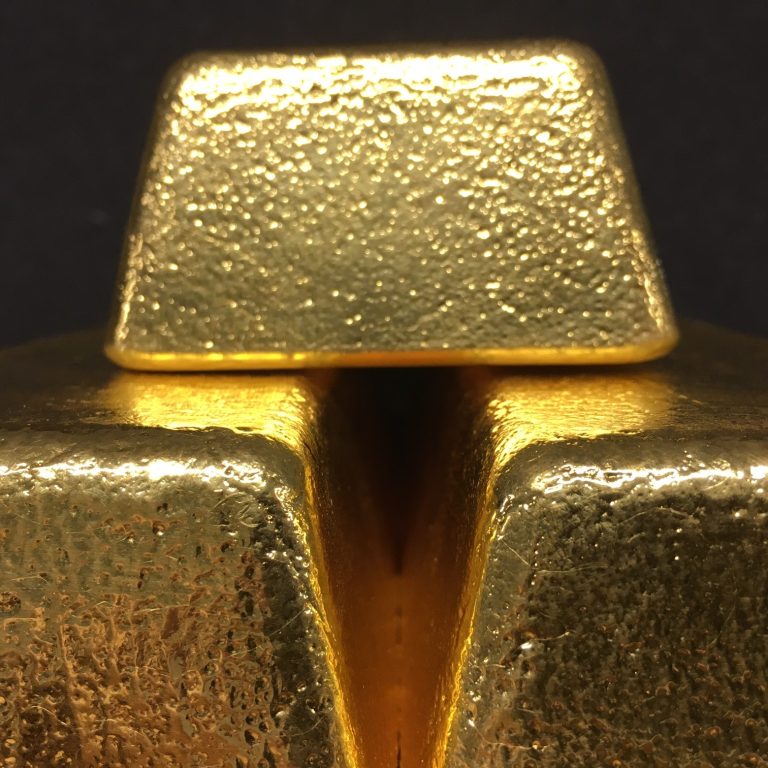
Gold and silver entered 2026 with significant momentum, but the more important story now is not the rally itself — it is what has happened since.
After a powerful move higher into the opening weeks of the year and a period of expected volatility, both metals have largely held their ground. Prices did not collapse back to prior ranges but stabilised at historically elevated levels. In financial markets, sharp speculative moves typically tend to retrace aggressively once momentum fades. Markets that consolidate near highs after absorbing volatility often signal acceptance.
That appears to be exactly what is unfolding across the precious metals markets today.
Gold continues to trade with notable resilience while silver, true to form, has amplified the move with higher volatility and stronger percentage gains. But beneath the price action is a broader structural shift that is becoming difficult for global investors and institutions to ignore.
The underlying drivers supporting precious metals have not eased. In many respects, they have strengthened.
Fiscal pressure in the United States continues to intensify as sovereign debt levels expand and long-term deficits remain deeply embedded within the system. At the same time, confidence in sustained monetary discipline across major developed economies remains under increasing scrutiny. Markets may continue to debate the timing and scale of future interest rate cuts, but the broader direction of fiscal and monetary policy remains largely unchanged.
Against that backdrop, demand for gold has remained remarkably consistent.
According to the World Gold Council, total global gold demand exceeded 5,000 tonnes in 2025 for the first time on record, driven largely by strong investment flows, central bank buying, ETF demand, and increased bar and coin purchases.
Importantly, this demand is no longer being driven solely by retail fear or short-term speculation.
Central banks continue to accumulate gold at historically elevated levels as nations seek greater reserve diversification in an increasingly fragmented geopolitical environment. The World Gold Council reported that central banks added an estimated 244 tonnes of gold in Q1 2026 alone, continuing a multi-year trend of robust sovereign demand.
Senior Market Analyst Louise Street of the World Gold Council recently noted that investors and institutions are increasingly viewing gold through the lens of long-term resilience and portfolio stability rather than as a short-term tactical trade. This suggests a shift in how gold is positioned within global portfolios.
At the same time, the London Bullion Market Association continues to highlight expectations for ongoing volatility and strong institutional engagement throughout 2026, reflecting a market shaped by structural capital flows rather than temporary sentiment shifts.
This broader repricing thesis is also visible in the behaviour of private investors and institutions.
Rather than reacting emotionally to headlines, many allocators appear to be making deliberate long-term decisions around diversification, purchasing power preservation, counterparty risk and jurisdictional exposure. Precious metals are increasingly being treated not as speculative instruments, but as strategic financial assets within a more uncertain global environment.
Silver continues to reinforce many of these same themes. Historically, silver has acted as a higher-beta extension of the precious metals cycle — often lagging gold initially before accelerating once investor participation broadens. That pattern has again emerged in 2026. While silver remains more volatile due to its industrial demand component and comparatively smaller market size, its continued strength suggests that the move in precious metals is broadening rather than narrowing.
That internal market participation is significant, because healthy long-term bull markets typically strengthen as participation expands across sovereign buyers, institutional allocators, ETFs, private investors and related assets. By contrast, fragile rallies tend to become increasingly narrow over time.
Technical analysts have also pointed to gold’s ability to consolidate near highs after major advances as an indication of underlying strength. Markets that repeatedly absorb selling pressure without materially breaking down often reflect continued institutional accumulation beneath the surface.
None of this suggests that volatility disappears from here. Precious metals markets remain highly dynamic and periods of consolidation, profit-taking, and sentiment shifts are entirely normal. But what matters is the market’s ability to sustain higher price ranges despite those fluctuations, which indicates a broader repricing of monetary metals with the global financial system.
The conversation around gold and silver is evolving beyond simple price forecasts. The more important development may be what the metals are signalling about the changing relationship between debt, monetary confidence, sovereign risk and long-term wealth preservation.
If you would like to find out more about Strategic Wealth Preservation, please visit www.swpcayman.com

Mark Yaxley is the CEO of Strategic Wealth Preservation.
Follow Mark on X @YaxleyYax