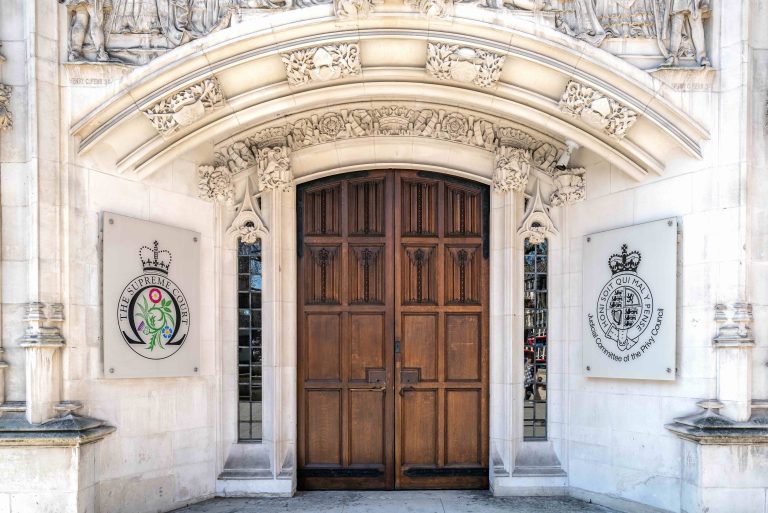
A landmark ruling by the Judicial Committee of the Privy Council is expected to reshape the balance of power within offshore trusts, giving trust protectors broader authority to challenge trustee decisions, according to offshore law firm Walkers, which acted on this case.
The decision, issued in A and others v C and others (also known as Re the X Trusts), clarifies that protectors may exercise independent judgment when granting or withholding consent, rather than acting solely as a supervisory check on trustees.
Lawyers said the judgment could have significant implications for trust structures across offshore jurisdictions, including the Cayman Islands, Bermuda and the Channel Islands, particularly where trust documents are silent or unclear on the scope of a protector’s role.
“This is a much anticipated and monumental decision for offshore trusts and trust protectors globally,” said Shelley White, a Cayman Islands-based partner and head of Walkers’ trust disputes team. “The Privy Council … confirmed that, unless a trust deed says otherwise, protectors should form their own independent view and block decisions they consider inappropriate, even if those decisions are lawful.”
The ruling overturns earlier decisions in Bermuda that had favored a narrower interpretation of protector powers, often described as a “watchdog” role focused on ensuring trustees act within their legal authority. Instead, the Privy Council endorsed what practitioners describe as a “wider role,” allowing protectors to veto decisions based on their own assessment.
Hannah Tildesley, a Bermuda-based partner at Walkers, said the judgment raises expectations for trustees. “Major decisions will need to be clearly reasoned, well-evidenced and discussed earlier with protectors, who are entitled to question not just how a decision was made but whether it is the right one,” she said.
The court emphasised that the extent of a protector’s powers depends on the wording of the trust instrument. Where documents do not explicitly limit those powers, protectors are generally free to exercise discretion, subject to fiduciary duties such as acting in good faith and avoiding conflicts of interest.
Walkers said in an advisory the decision places renewed importance on drafting. Trust instruments that intend to restrict a protector’s role must do so in clear terms; otherwise, consent provisions may be interpreted as granting substantive decision-making authority.
“If settlors intend a protector’s role to be one limited to ‘watchdog’, the trust instrument will need to say so in clear and unequivocal terms. Protectors must still act in good faith, for proper purposes and without conflicts, but those duties do not limit them to checking legality alone. They are entitled, and expected, to exercise their own judgment,” White said,
The judgment is expected to influence courts in jurisdictions that have not yet directly addressed the issue, including the Cayman Islands and Guernsey, where the scope of protector powers has remained unsettled. In Jersey, however, courts had already adopted a similar approach, which the Privy Council’s ruling now reinforces.
Walkers said the decision could lead to more active involvement by protectors in trust governance and increase the potential for disagreement between trustees and protectors. The court acknowledged that risk but noted that such tension may be an intentional feature of trust structures that include consent powers.
The advisory suggests trustees and settlors should review existing arrangements and ensure that protector provisions align with their intended role. For new trusts, Walkers said, greater precision in drafting will be critical to avoid unintended shifts in control.