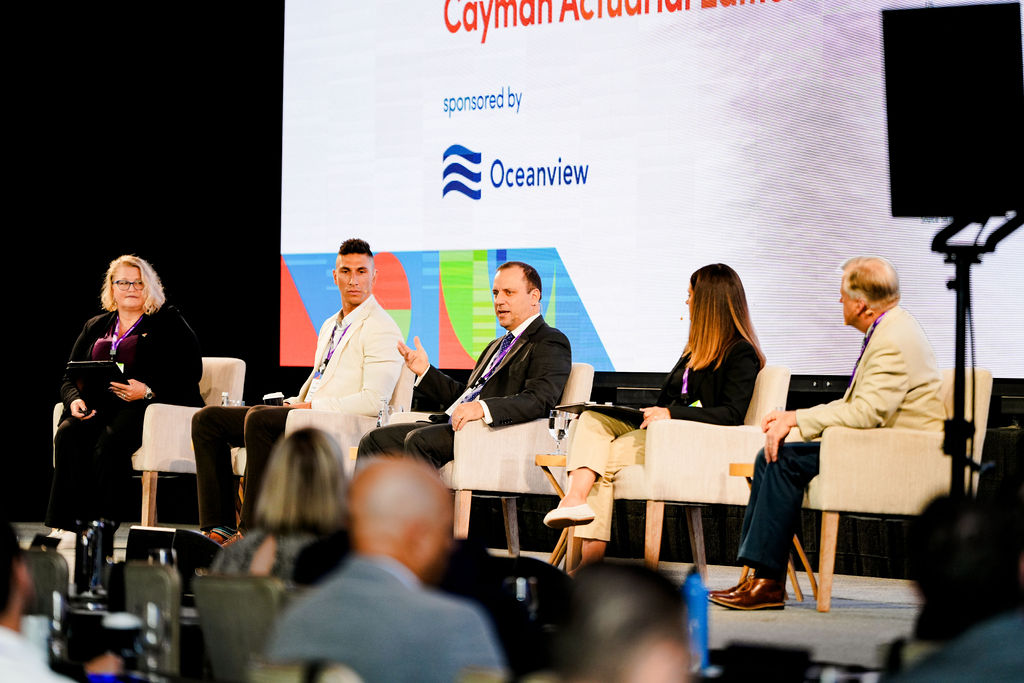
Expanding retail access to private funds, growing interest in tokenised investment products and the rising complexity of private credit platforms are expected to be among the forces shaping the investment funds sector in 2026, according to discussions at the recent Maples Investment Funds Forum in the Cayman Islands.
Speakers at the event on 12 Feb said managers are increasingly focused on attracting individual investors to private market products that were once aimed mainly at institutions. The shift is being driven in part by the growth of evergreen funds, which an event summary by Maples Group said are projected to reach $4.4 trillion in assets by 2029.
The discussions pointed to both opportunity and added risk for fund managers. Panelists said tapping retail capital could broaden fundraising channels, including through retirement products and tokenised structures, but would also require more attention to liquidity, redemption terms, product suitability and investor communication.
Tokenisation was described as a developing tool for distribution, with fractional ownership and automation seen as possible ways to widen access and improve efficiency. The article said tokenised feeder funds are already being used to invest in underlying products, though many firms are still waiting to see whether the practical benefits become more established.
Private credit was another major focus, particularly the challenges of managing permanent-capital vehicles and larger multi-strategy platforms. Panelists said managers must weigh the effect of liquidity features on returns, while also preparing for conflicts that can arise when firms invest across different parts of a company’s capital structure.
The forum also touched on competition in private credit, investor concerns about defaults and broader uncertainty tied to artificial intelligence spending and tariffs. At the same time, speakers said they are seeing opportunities in special situations, opportunistic credit and asset-backed finance.
The event also examined how private fund sponsors are approaching fast-growing AI companies, which in some cases are reaching significant revenue levels in months rather than years. According to the article, that pace is prompting closer attention to fund structures and governance from the outset.