At the Cayman Islands Chamber of Commerce Economic Forum 2026, Her Excellency Governor Jane Owen opened with a revealing experiment. She asked artificial intelligence a simple question: What is Cayman known for? The response was clear: Natural beauty, high-end tourism and financial services.
Those three pillars framed the rest of her welcome address and set the tone for a wider discussion on geopolitics, resilience and responsibility in a small but globally exposed economy like Cayman.
Rather than celebrating past success, the Governor posed a more challenging question: What do we need to do over the medium to long term to sustain this position? Her message was that Cayman’s strength is also its vulnerability. A small range of highly visible products must be actively protected, not assumed to be permanent.
Cayman’s natural environment, tourism brand and financial services sector operate in a competitive global landscape. Geopolitical instability, regulatory pressure, climate risk and reputational threats all carry outsized impact for small jurisdictions.
The Governor highlighted that Cayman does not have the luxury of diversification. When a country is known for only a few things, the cost of failure in any one area is amplified. This reality requires deliberate action across both public and private sectors.
The Governor emphasised that environmental protection is no longer optional. Green initiatives are directly tied to economic sustainability, not separate from it. Traffic congestion, dangerous driving and crime were also raised as risks to quality of life and visitor perception. These are not abstract concerns. They influence investor confidence, workforce retention and tourism competitiveness.
She made it clear that government action alone is not sufficient. Private sector participation is essential in shaping behaviour, supporting infrastructure and maintaining standards. A key theme was responsibility. Physical security and cybersecurity were both highlighted as areas where businesses must play an active role.
The warning on cybersecurity was particularly pointed: Do not be the weakest link. In a globally connected financial and services economy, a single weak organisation can create reputational damage far beyond its own balance sheet. Cyber risk is no longer an IT issue. It is a national resilience issue.
On financial services, the Governor focused on narrative. Cayman must actively control how it is perceived internationally. In an era of rapid information spread and geopolitical tension, silence creates space for others to define the story. Businesses, regulators and industry groups all have a role in reinforcing transparency, compliance and value creation.
“Let’s do it together and feel you have a role in working with government,” she said, signalling that economic resilience in 2026 and beyond depends on shared ownership. Policy sets direction, but execution lives inside businesses.
She closed with a reminder that resonated strongly in a technology driven world: “A machine can take on any number of things, but what it cannot take is responsibility.”
Cayman businesses looking to operationalise these themes increasingly rely on proven, cloud-based systems.
- Microsoft Azure helps organisations host secure, compliant infrastructure while supporting disaster recovery and business continuity.
- Zoho Analytics enables data driven decision making across operations, finance and risk management.
- Microsoft Defender for Business strengthens cybersecurity posture for small and mid-sized organisations without enterprise complexity.
- Power BI provides transparent reporting that supports regulatory readiness and executive oversight.
- Zoho CRM helps financial services, tourism, and professional firms manage relationships, reputation and service consistency.
The Governor’s address was not a warning of decline. It was a call for intentional stewardship. Cayman’s future advantage will come from businesses that recognise their role in protecting the jurisdiction’s economic identity while adapting to global change. The opportunity now is to turn responsibility into action.
If your organisation is reviewing how technology, data and security support long term resilience, this is the right time to take a structured approach.
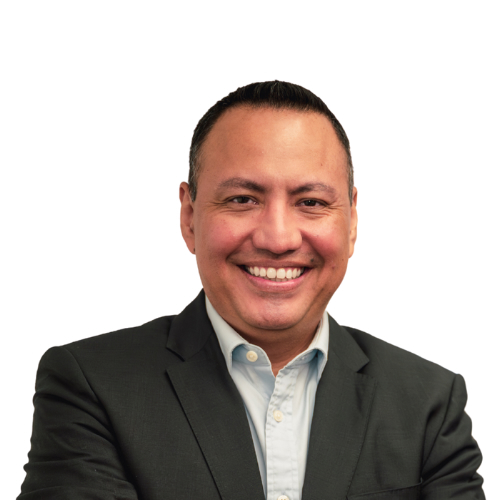
Victor Salgado is the Managing Director at Sperto Consulting